
This post has three phases; viewing an early Frozen Planet on a large screen with the Warrington U3A, a London underground trip to view the Samurai exhibition in the British Museum, and explanations The Frozen Planet: Spring. Three scenes intrigued me and prompted me to ponder "How did the animal know how to do that?" The first involved the Arctic woolly bear caterpillar which survives 13 winters in a frozen state, emerges each Spring to resume life as a caterpillar before it emerged in its 14th year, spinning a cacoon then metamorphosing into a moth. The second involved a fledgling albatross. The scene showed the fledgling hopping and stretching its wings attempting to stay airborne. Then one day it walks to the edge of a cliff and launches itself across the vast ocean, not returning to land for up to 5 years. My puzzlement was over "How did the caterpillar know how to count the number of winters so that it knew when to metamorphose into the moth?, and "How did the albatross know it was going to survive in that vast emptiness?" On reflection I realized that these were not sensible questions: what the animals did was the essence of what they were; and we'd say it was built into their DNA. The third scene was different. It showed penguins leaping out of the sea, with killer whales in the vicinity, and landing on an ice platform. The commentary was to the effect that the penguins needn't be alarmed because these killer whales ate fish, not penguins. I thought, if I were a penguin and saw these monsters swimming around I wouldn't rely on being told they don't eat penguins. Given that we too are animals, and we ask the same "How do humans know how to do that?" question, do we answer it in the same way: we do what we do because it's in our DNA? But this doesn't explain why some engage in conflict with those who are different from themselves, while others live in harmony despite their differences!. The London underground trip On the Easter weekend my son, granddaughter, grandson and I visited my daughter and her husband in Windsor. On Easter Monday we travelled from Slough to Holborn to visit the Samurai Exhibition in the British Museum. On the last leg of our underground train changes, my granddaughter and grandson entered the carriage and stood leaning on the glass partition on the right, I stood on the left and my son stood on the opposite side of the carriage. I was suddenly aware of an infant i a nappy, standing / leaning on his seated mother's chest, looking at me, then clenching and unclenching his hand in wave then smiling. Naturally I returned the wave and smile. He then proceeded to look back and forth between my grand-daughter, grandson, son and turned to look round the other way and repeated his ritual with other passengers in the carriage. His father was seated opposite him holding his pushchair. Needless to say, all involved were smiling and waving too. Several features are worth emphasizing. First, it was the infant who initiated the interaction. Second the infant's gaze wasn't to the waving hand but to the smiling eyes. Third the infant was pre-verbal. Fourth, the parents simply sat there looking amused and taking no part in the action. Treating the scene like one of David Attenborough's, I wondered "How did the infant know how to do that?" was it in his human DNA, in which case, why don't all infants act the same way? Explanations How do people answer the question of why some infants (in particular this infant) act this way while others don't? Some offer: not all children are born alike (thereby denying a common human DNA attribute). My answer is that the infant's actions were a consequence of how both parents had been interacting with him since (before) birth. My teenaged grandson completed the circle by asking whether the infant knew what he was doing, in the sense of knowing that it was a greeting signalling harmony and not conflict.
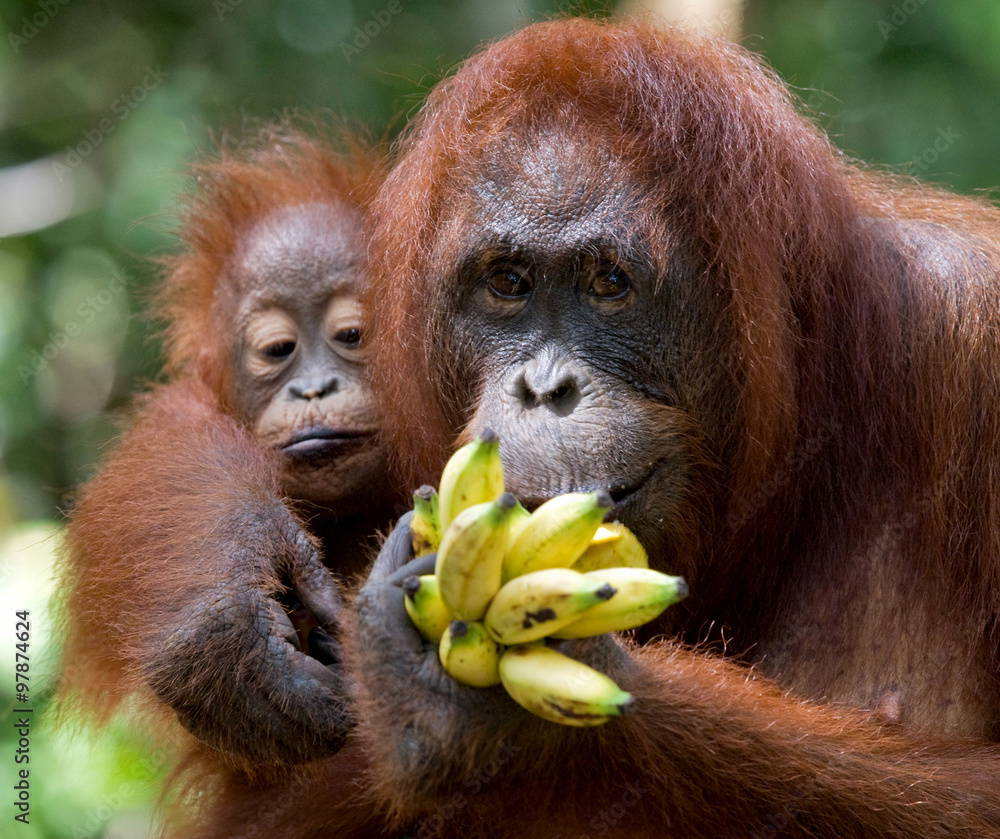
Gillian Forrester on gesturing gorillas, babbling babies and the origins of human language
Gillian Forrester's research findings...
0 Comments